Expedition Log
A curated archive of extreme environments, remote horizons, and high-stakes landscapes navigated across the globe.

France
Home to Mont Blanc—Europe’s deadliest mountain peak—France’s geography shifts violently from high-altitude alpine terrain to the tempestuous Atlantic coast. Its surrounding valleys host weather systems so volatile temperatures can plunge by 20°C in less than an hour, demanding rapid transition from glacier crevasses to storm-battered coastal waters.
Spain
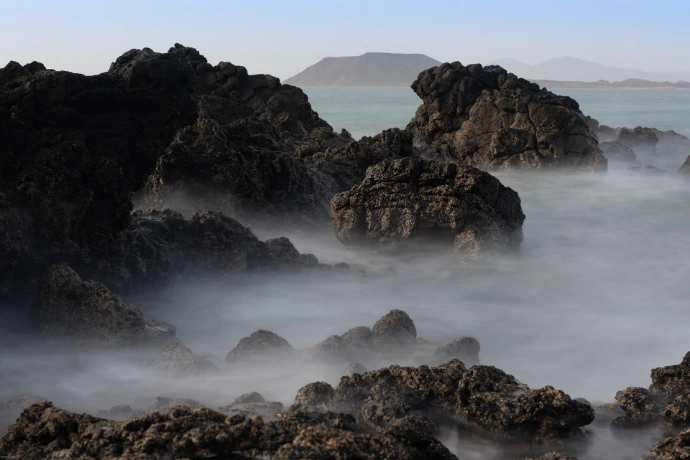
The Bay of Biscay off northern Spain is legendary among sea captains for spawning sudden rogue waves and ferocious Atlantic gales. Traversing from its high, snow-locked Pyrenean passes down to its wild, ocean-beaten cliffs means navigating two extreme microclimates and treacherous coastal reefs in a single day.
United States
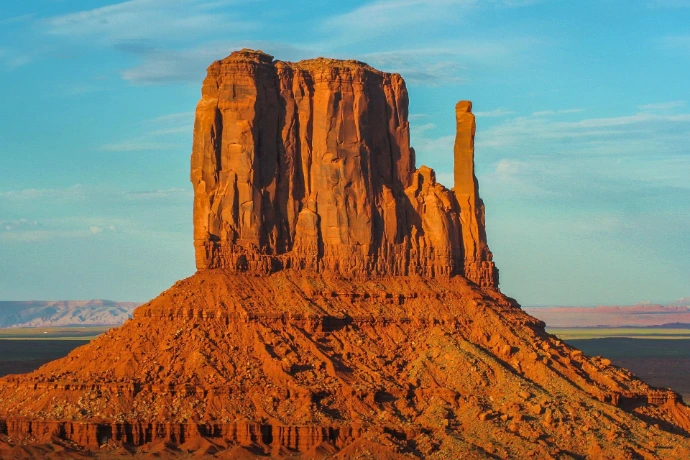
Alaska alone contains more coastline than the rest of the entire United States combined, surrounded by sub-zero wilderness and violent tidal surges. Navigating its untamed fjords and dense Pacific Northwest rainforests forces explorers to manage deep-wilderness isolation, extreme wildlife encounters, and routes far beyond the reach of conventional rescue.
Japan
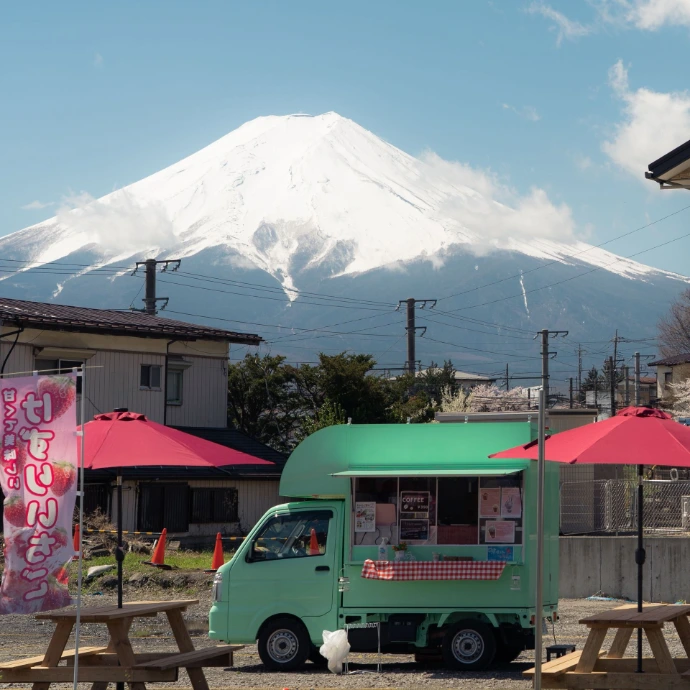
Home to intense sub-zero Siberian winds and active volcanic arcs, Japan’s rugged wilderness presents a volatile mix of deep alpine powder and geothermal unpredictability. Navigating from the frozen sea ice of Okhotsk to the active craters of the Ring of Fire requires constant adaptation to shifting avalanche hazards and sudden marine blizzards
Italy
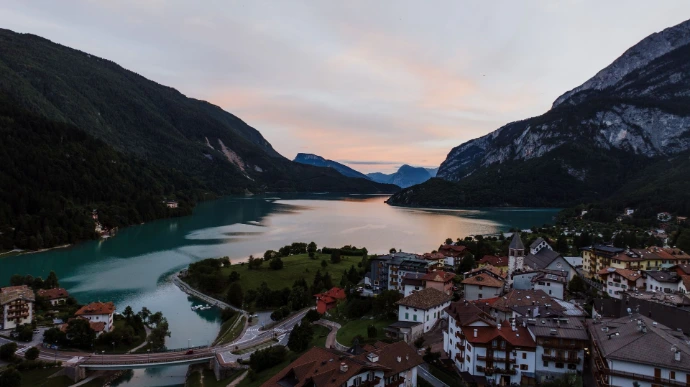
Spanning vertical limestone pinnacles in the Dolomites down to the explosive, active volcanic island chains of the Mediterranean, Italy presents an intense topography of extremes. Expeditions here demand technical rock navigation across shear alpine faces immediately followed by treacherous seafaring in microclimate-prone coastal waters.

Mexico
Mexico’s landscape plunges from high-altitude volcanic peaks and deep desert canyons into the volatile, current-swept waters of the Sea of Cortez. Traverses demand managing extreme desert heat, rapid altitude swings over 5,000 meters, and navigating isolated, reef-heavy coastlines far from emergency support.

Turkey
Straddling two continents across volatile maritime straits, Turkey’s terrain plunges from high-altitude Anatolian plateaus into vast subterranean cave networks. Traversing its rugged eastern highlands forces expeditions to contend with rapid mountain weather swings, deep winter snowpacks, and high-altitude logistical bottlenecks far from immediate infrastructure.

United Kingdom
From the storm-battered Atlantic sea cliffs of the Hebrides to the sheer, gale-swept peaks of the Scottish Highlands, the UK’s perimeter is forged by relentless ocean swells. Sudden coastal squalls and dense, disorienting sea fogs can turn narrow maritime channels and exposed ridgelines into high-risk navigation zones in a matter of minutes.
Canada
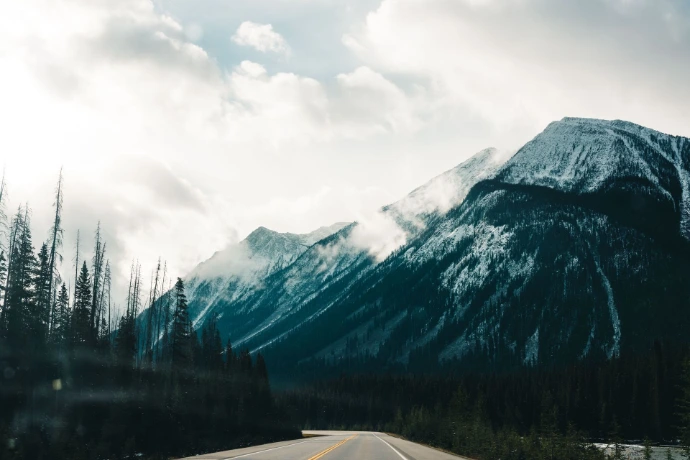
Spanning sub-arctic tundra, razor-sharp Pacific fjords, and towering Rocky Mountain passes, Canada encompasses some of the most unforgiving wilderness areas on Earth. Crossing its frozen interior requires managing severe freeze-thaw cycles, deep-wilderness isolation, and vast distances where emergency resupply is impossible for hundreds of miles.
Greece
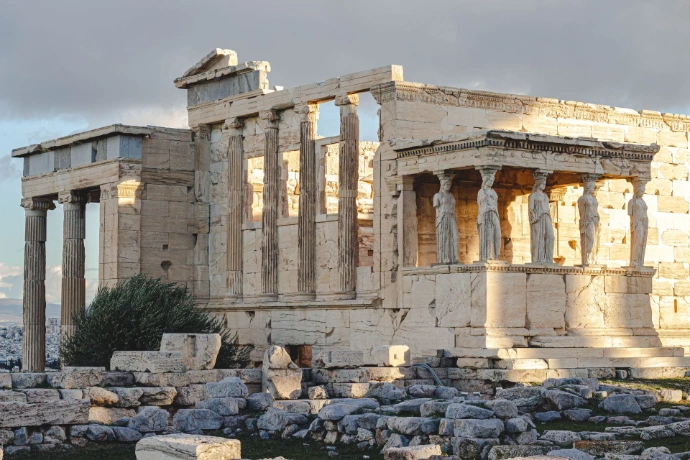
From the jagged, cloud-shrouded peak of Mount Olympus to the open, wind-whipped sea passages of the Aegean, Greece’s fragmented topography presents a dramatic convergence of land and water extremes. Navigating its treacherous coastal reefs and sudden Meltemi gales requires constant vigilance against rapid weather shifts that can maroon expeditions in isolated island chains.

Germany
Stretching from the sheer limestone walls of the Bavarian Alps down to the gale-swept mudflats of the Baltic Coast, Germany’s landscape demands high-altitude mountain technicality alongside volatile maritime navigation. Unpredictable alpine weather fronts and rapid temperature drops across its dense forest wilderness create demanding conditions for continuous endurance routes.
Peru
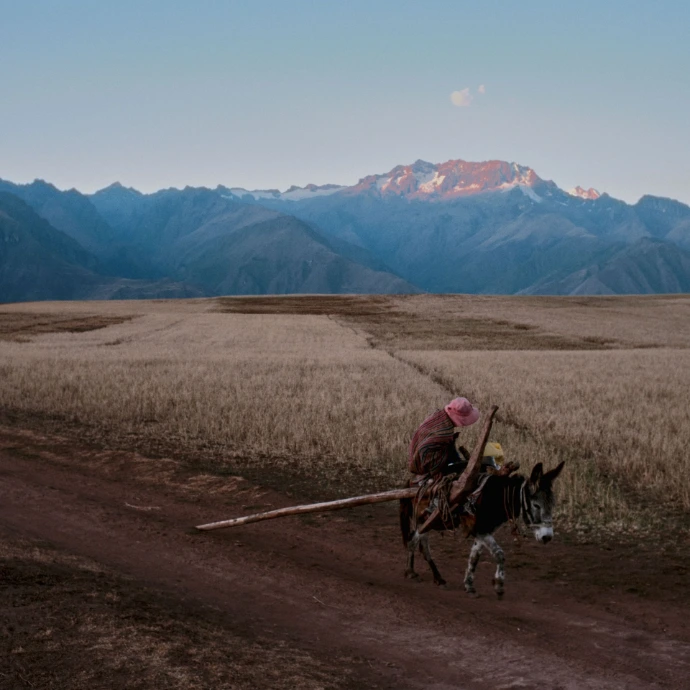
Rising from the arid, fog-bound Pacific coastline over 6,000-meter Andean glaciers and plunging into the dense Amazon basin, Peru contains some of the steepest vertical environmental transitions on the planet. Expedition teams face extreme high-altitude hypoxia, razor-thin mountain passes, and dense, navigation-blocking jungle river networks where traditional communication fails.