Expedition Log
A curated archive of extreme environments, remote horizons, and high-stakes landscapes navigated across the globe.
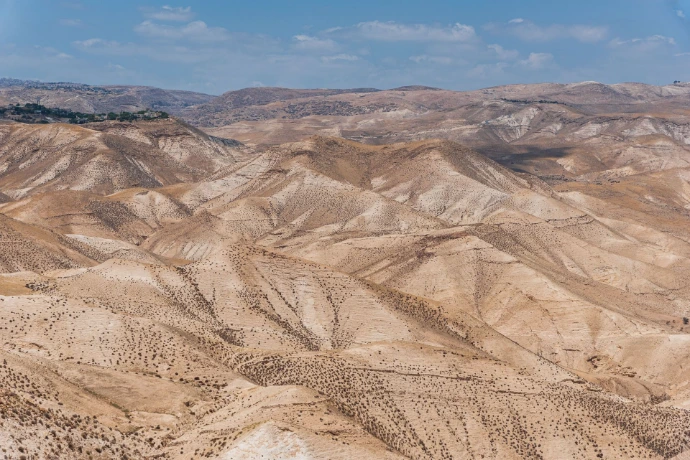
Israel
A fascinating crossroads where thousands of years of history meet coastal innovation, Israel is a map of intense contrasts. From the lively promenades of Tel Aviv and the fortified alleyways of Acre along the Mediterranean to the southern tip on the Red Sea, every port tells centuries of maritime trade and expedition stories. Venturing into the arid vastness of the Negev leads you to the Dead Sea—the lowest exposed land on Earth at over 430 meters (1,410 feet) below sea level—where extreme salinity lets you float effortlessly across an extraordinary landscape.
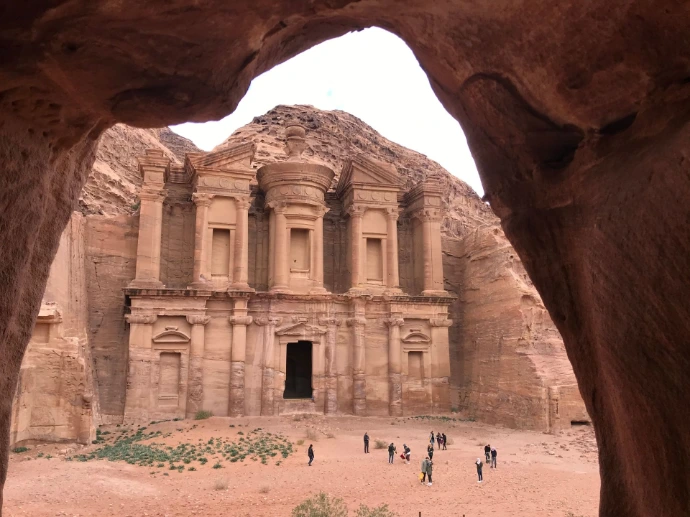
Jordan
Carved directly into vibrant rose-red sandstone cliffs over two millennia ago, Petra stands as an awe-inspiring testament to Nabataean engineering and ancient trade along the historic Incense Route. Nestled within Jordan's dramatic desert canyons, this legendary capital seamlessly blends elaborate rock-cut architecture with rugged wilderness. While iconic monuments like The Treasury (Al-Khazneh) draw explorers from around the globe, archaeologists estimate that over 85% of this ancient desert metropolis still remains unexcavated beneath the sands, leaving vast secrets yet to be uncovered.
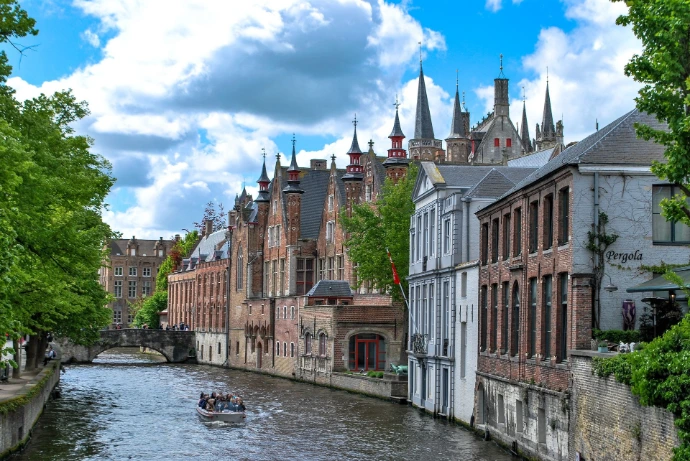
Belgium
Belgium seamlessly blends medieval heritage with vibrant modern European charm. From the historic canals and cobblestone streets of Bruges and Ghent to the bustling maritime hub of Antwerp, this compact nation sits at the true crossroads of Western Europe. Beyond its world-famous chocolates, craft brewing traditions, and ornate guildhalls, Belgium holds an extraordinary architectural legacy, boasting the highest density of castles per square kilometer in the world, with over 3,000 fortresses and châteaux dotting its lush, fairytale landscapes.
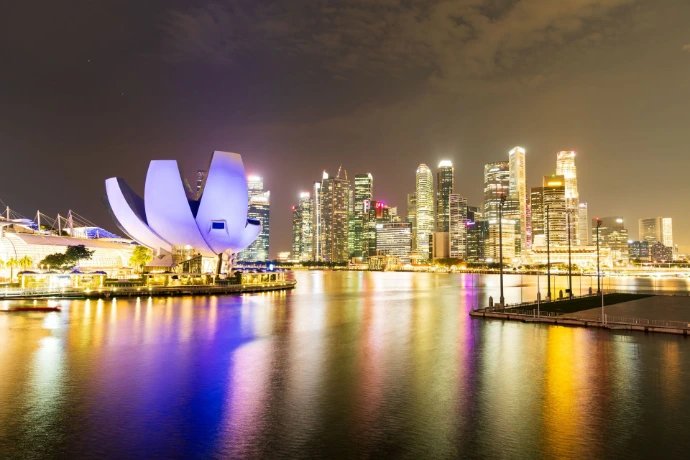
Singapore
A dynamic crossroads of commerce and tropical greenery, Singapore seamlessly blends ultramodern architecture with rich cultural heritage. Standing as one of the world's premier maritime powerhouses, this vibrant city-state isn't just a single main landmass—it is actually an archipelago of 63 islands, offering a masterclass in modern exploration and coastal innovation.
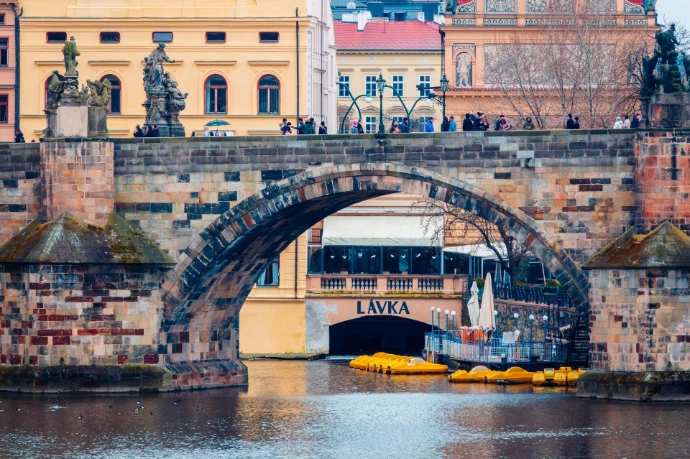
Czech Republic
Positioned at the historic heart of Europe, the Czech Republic is a realm of gothic spires, cobblestone towns, and rich Bohemian culture. Beyond its iconic medieval architecture, this vibrant nation holds a legendary brewing tradition, proudly consuming more beer per capita than any other country on Earth for over three decades.
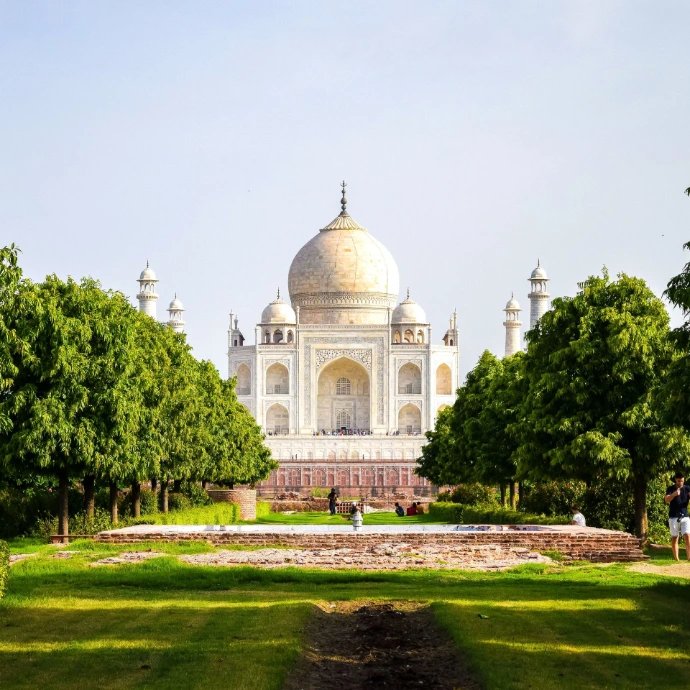
India
From the snow-capped Himalayas to palm-lined tropical shores, India is a breathtaking mosaic of vibrant cultures, ancient heritage, and historic trade routes. Beyond its iconic monuments and bustling spice markets, this vast subcontinent is home to Mawsynram, a village in Meghalaya officially recognized as the wettest place on Earth.
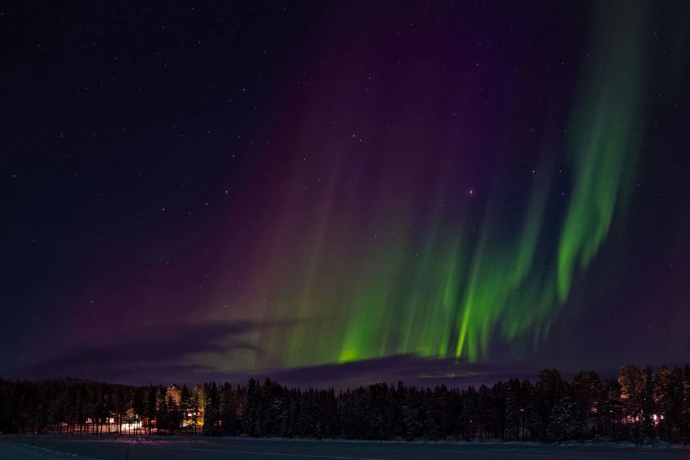
Finland
Pristine Arctic wilderness, vast coastal archipelagos, and the ethereal Northern Lights define the untamed beauty of Finland. Deeply tied to nature and well-being, this Nordic nation takes its relaxation so seriously that it boasts over three million saunas for a population of 5.5 million—meaning there are literally more saunas in Finland than private cars.
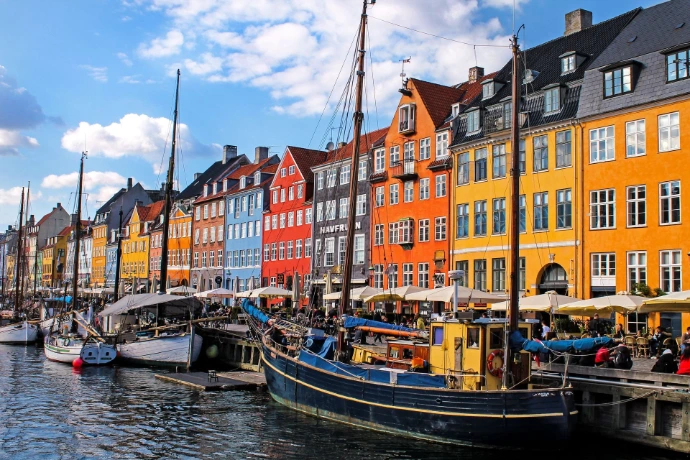
Denmark
Bridging Scandinavia and mainland Europe, Denmark is a picturesque realm of maritime history, modern design, and coastal charm. Deeply connected to the surrounding waters, this island nation takes its seafaring heritage so far that no matter where you stand in the country, you are never more than 52 kilometers (32 miles) from the ocean.
Cuba
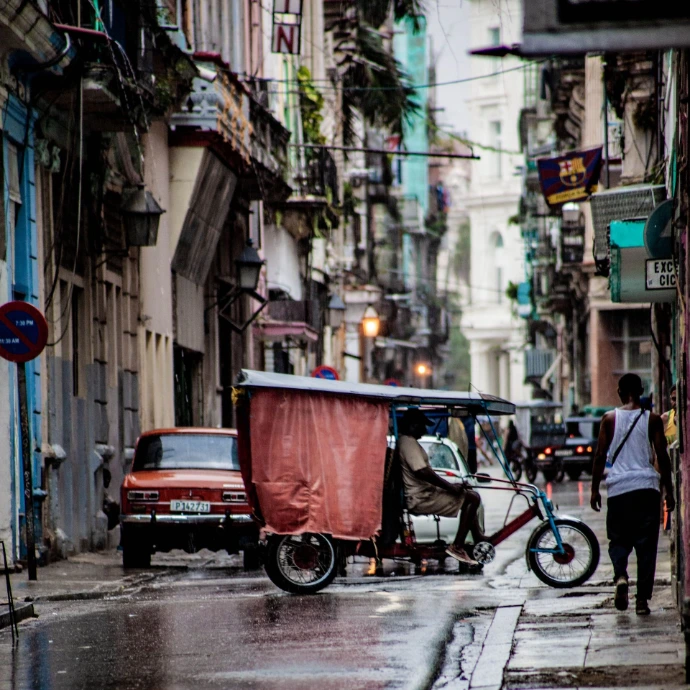
Frozen in time with vintage automobiles, colorful colonial streets, and pristine Caribbean shores, Cuba is a vibrant tropical island steeped in rich history. Beyond its legendary music and coastal charm, this archipelago is home to the zunzuncito (bee hummingbird)—the smallest bird on Earth, measuring just two inches long and weighing less than a single coin.
Tanzania
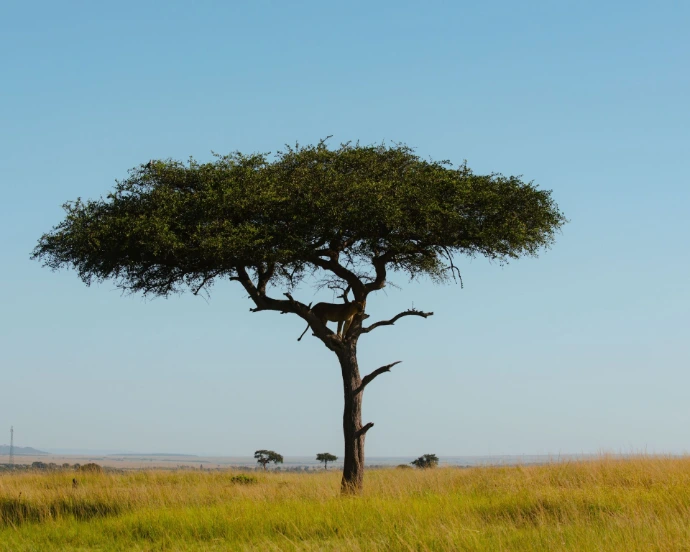
Home to vast golden savannahs and extraordinary wildlife, Tanzania’s Serengeti National Park hosts one of the world's most dramatic natural spectacles—the Great Migration. Derived from the Maasai word "siringet," the name "Serengeti" literally means "endless plains," a fitting description for an ecosystem where over two million wildebeest, zebras, and gazelles traverse open wilderness year-round.
Philippines
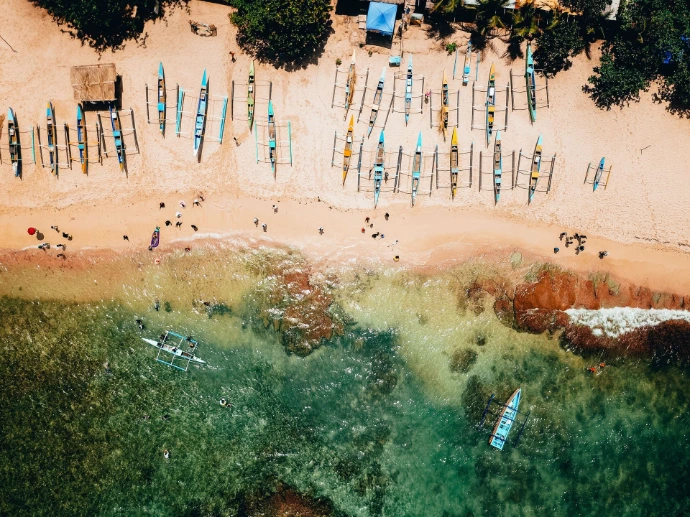
Framed by pristine beaches, vibrant coral reefs, and dramatic limestone cliffs, the Philippines is a breathtaking tropical haven. Made up of 7,641 islands—a count that actually fluctuates depending on whether it is high or low tide—this diverse archipelago offers an unparalleled blend of coastal adventure, historic colonial heritage, and warm island culture.
Sweden
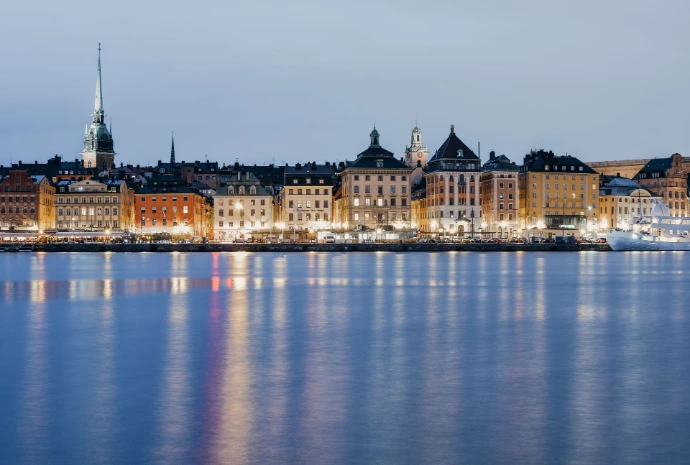
A tranquil labyrinth of granite cliffs, deep pine forests, and classic red wooden cottages, the Stockholm Archipelago is a maritime wonderland right on the capital's doorstep. Spanning roughly 30,000 islands, islets, and rocks, this stunning Baltic seascape is actually still rising out of the ocean by about 3 millimeters every year due to post-glacial land uplift.
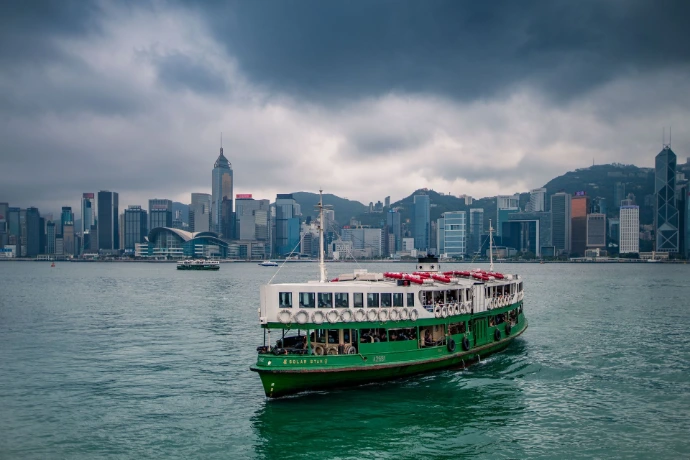
Hong Kong
A towering intersection of ancient traditions and hyper-modern global finance, Hong Kong is defined by its dramatic skyline, bustling harbor, and steep mountain peaks. While famous for its dense urban jungle, this vibrant territory actually encompasses 263 distinct islands, with over 40% of its land preserved as lush country parks and nature reserves.
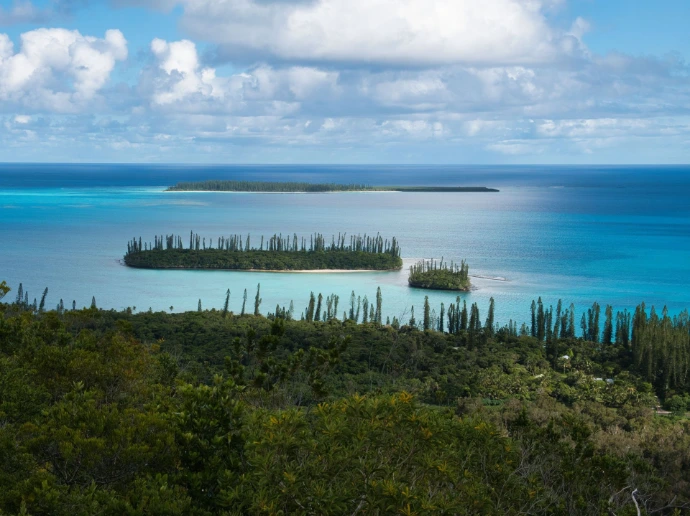
New Caledonia
Surrounded by crystal-clear Pacific waters, dramatic mountain peaks, and rich Kanak culture, New Caledonia is a breathtaking South Pacific sanctuary. Enclosing one of the largest marine lagoons on Earth, this tropical archipelago is home to the world’s longest continuous barrier reef, spanning a staggering 1,600 kilometers of protected coral ecosystem.

Netherlands
Renowned for its historic waterways, vibrant tulip fields, and iconic windmills, the Netherlands is a masterclass in coastal engineering and Dutch design. With over a third of its land sitting below sea level, this low-lying nation relies on an intricate network of dikes and pumping systems—including Amsterdam's Schiphol Airport, which rests roughly four meters below the surface of the ocean.